
Make a Simple Steak Look Restaurant Worthy
You spent time choosing a good steak, seasoning it and cooking it properly. Do not lose the visual impact during the final few seconds before serving it.
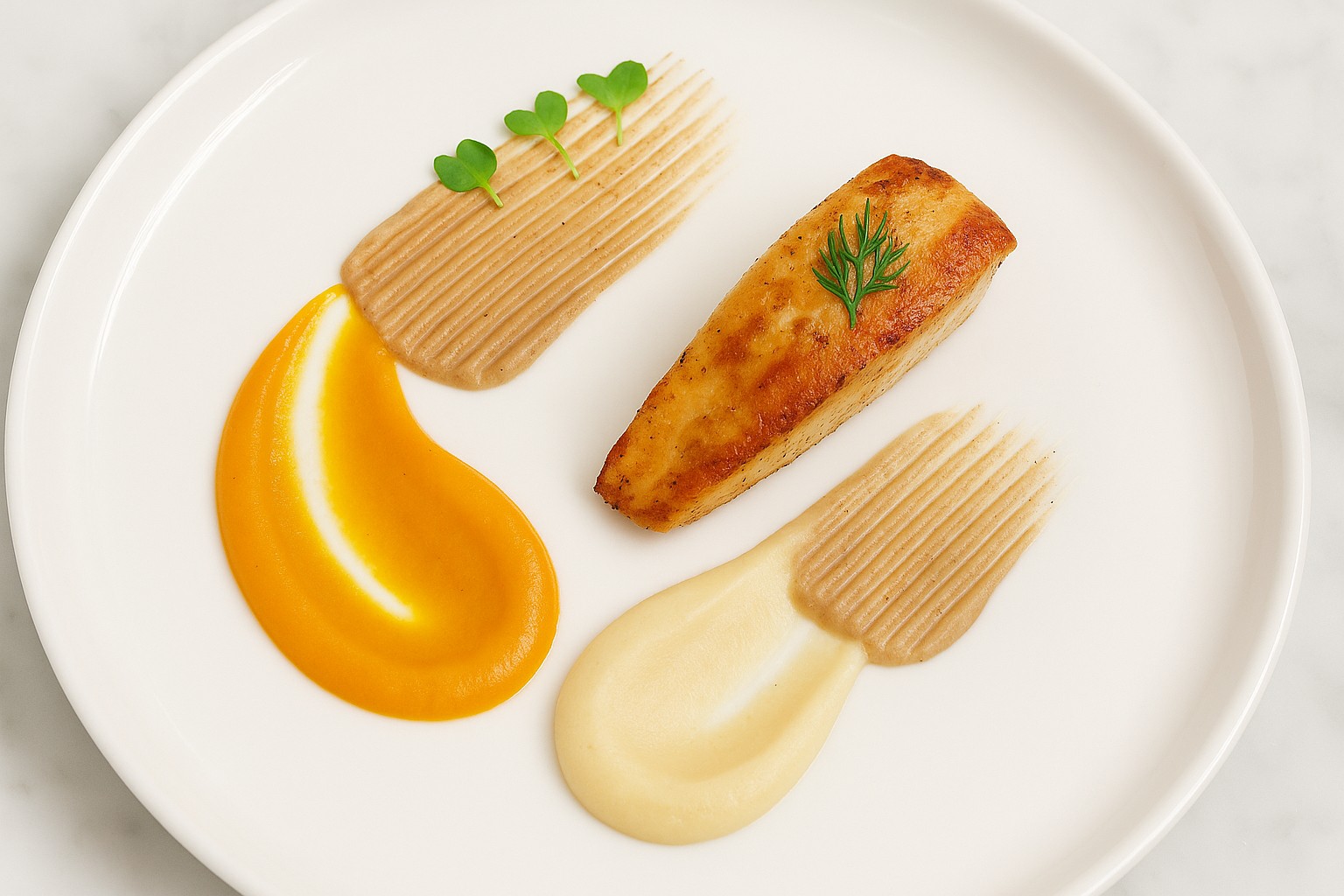
One of the simplest steak-plating techniques is to position the steak at a slight angle instead of placing it perfectly horizontal or parallel to the edge of the plate.
This small adjustment creates movement, makes the placement feel intentional and leaves space for vegetables, sauce and other supporting elements.
Why Angling the Steak Works
A steak positioned straight across the plate can look flat and static. Turning it slightly helps create a more dynamic arrangement.
- Creates visual movement
- Makes the presentation feel intentional
- Leaves room for vegetables and sauce
- Helps balance the different elements on the plate
- Prevents the plate from looking overly rigid
How to Plate the Steak
1. Choose a Plate With Enough Space
Use a plate that is noticeably larger than the steak and its accompanying sides. A crowded plate makes it difficult to create a clean composition.
2. Position the Steak Slightly Off Center
Avoid placing the steak directly in the middle of the plate. Moving it slightly to one side creates room for the other elements.
3. Rotate the Steak
Turn the steak approximately 20 to 30 degrees. It should look naturally angled rather than dramatically tilted.
4. Group the Side Dishes
Place vegetables or potatoes in a deliberate group beside the steak. Avoid scattering individual pieces around the entire plate.
5. Add Sauce Carefully
Spoon sauce underneath part of the steak, place it beside the steak or add a controlled amount over one section. Avoid covering the entire steak, especially when it has an attractive seared surface.
6. Clean the Plate
Before serving, inspect the rim and remove fingerprints, sauce drips or stray food.
Common Steak-Plating Mistakes
- Placing the steak perfectly horizontal
- Centering everything on the plate
- Using a plate that is too small
- Scattering vegetables randomly
- Pouring sauce over the entire steak
- Adding garnishes that do not contribute flavor
- Forgetting to clean the rim
Other Foods That Benefit From This Technique
- Pork chops
- Chicken breasts
- Salmon fillets
- Grilled vegetables
- Sliced tenderloin
- Flatbreads
Try It at Home
Prepare your steak exactly as you normally would. Before serving it, place it slightly off center and rotate it approximately 20 to 30 degrees.
Group the accompanying vegetables or potatoes beside it, leave part of the plate open and clean the rim.
The entire adjustment should take about two minutes.
The same angled placement can also work well with:
Quick Presentation Checklist
- Is the steak positioned at an angle?
- Is the steak slightly off center?
- Are the side dishes grouped neatly?
- Is some open space visible?
- Is the sauce controlled?
- Is the rim clean?
Frequently Asked Questions
Should the steak point to the left or right?
Either direction can work. Choose the direction that creates the best balance with the vegetables, sauce and other elements.
Should sliced steak also be angled?
Yes. Sliced steak can be arranged diagonally or fanned slightly across the plate. Keep the slices close enough together that the steak still looks like one main element.
Can I use this technique on a square plate?
Yes. Angled food can provide an effective contrast against the straight edges of a square or rectangular plate.
Should I place the sauce under or over the steak?
Either approach can work. Placing sauce under part of the steak preserves the appearance of the seared surface. A small amount over the steak can also look attractive, provided it does not hide the entire crust.
Did you try this technique?
Share your plated steak and tag #StyleYourPlate on social media.
Email us anytime at: