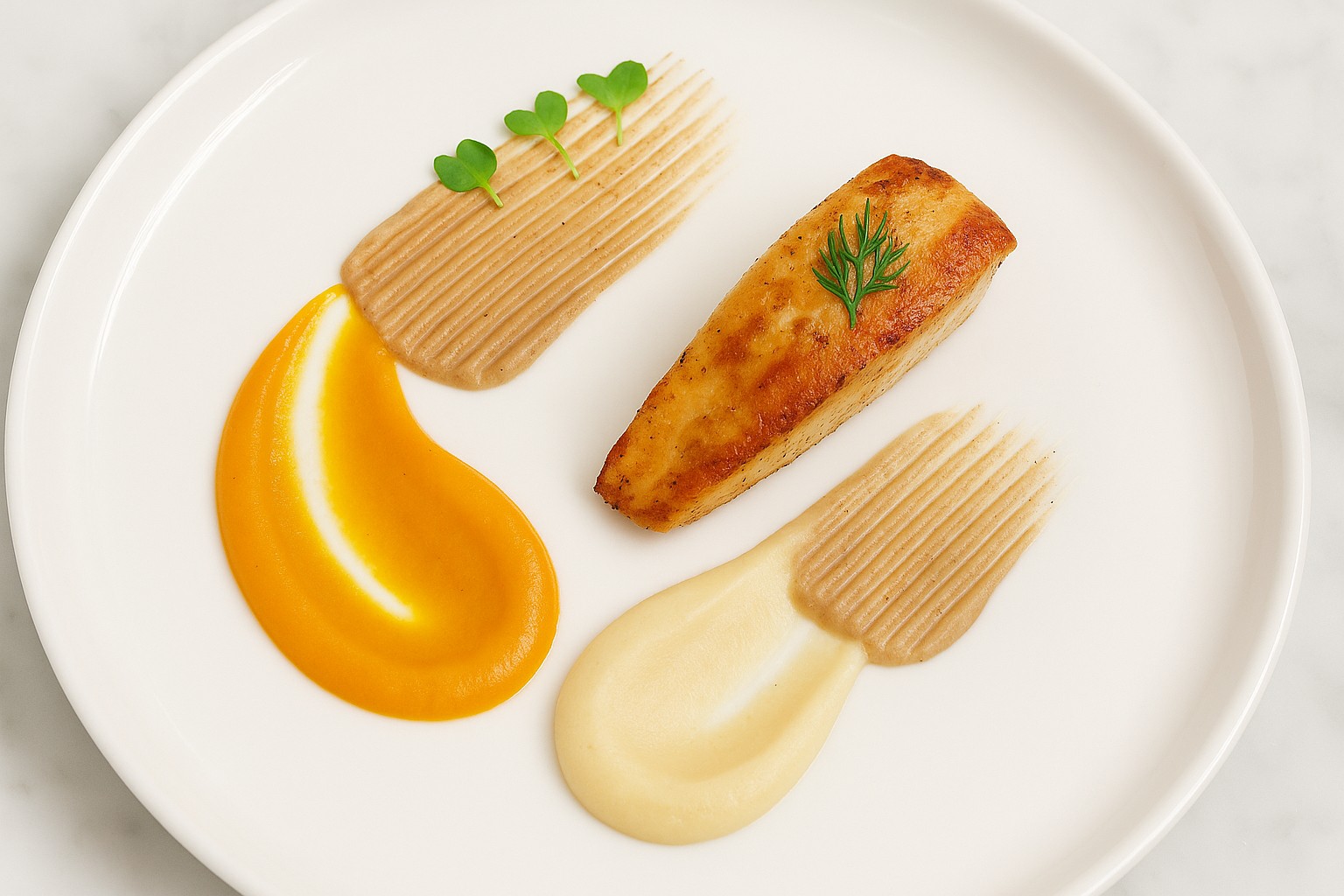
Waste Less, Taste More 014
Bring dinner’s vegetables to the next day’s table.
Roasted peppers, sautéed mushrooms, cooked zucchini, or asparagus can become a frittata for lunch or brunch. Choose vegetables that taste good together and give them a fresh setting.
Download the printable 8.5 × 11 PDF
1. Choose a compatible combination
Consider the vegetables and their original seasonings. Cut larger pieces into sizes that will distribute evenly through the eggs.
Why: Every slice should contain a balanced mix of ingredients.
2. Manage the moisture
Drain excess liquid from the vegetables. If needed, briefly cook off moisture before adding them to your frittata recipe.
Why: Excess liquid can make the finished frittata watery.
3. Cook and present with care
Follow a reliable recipe and cook the center to 165°F when using leftovers. Serve a neat wedge with dressed greens or a spoonful of tomato sauce.
Why: A clean slice and a complementary accompaniment turn the mixture into a complete plate.
Kitchen Notes
Use cheese with a purpose
A little feta, goat cheese, or grated hard cheese can connect the flavors. Choose one that suits the vegetables.
Avoid overcrowding the eggs
Use the recipe’s proportions as a guide rather than adding every remaining vegetable.
Think of overnight guests
A vegetable frittata can be a welcoming lunch or brunch after an evening of entertaining.
The plating mindset
A new setting can make familiar vegetables feel freshly considered.