Download the printable 8.5 × 11 PDF
Choose Contrast You Can Taste
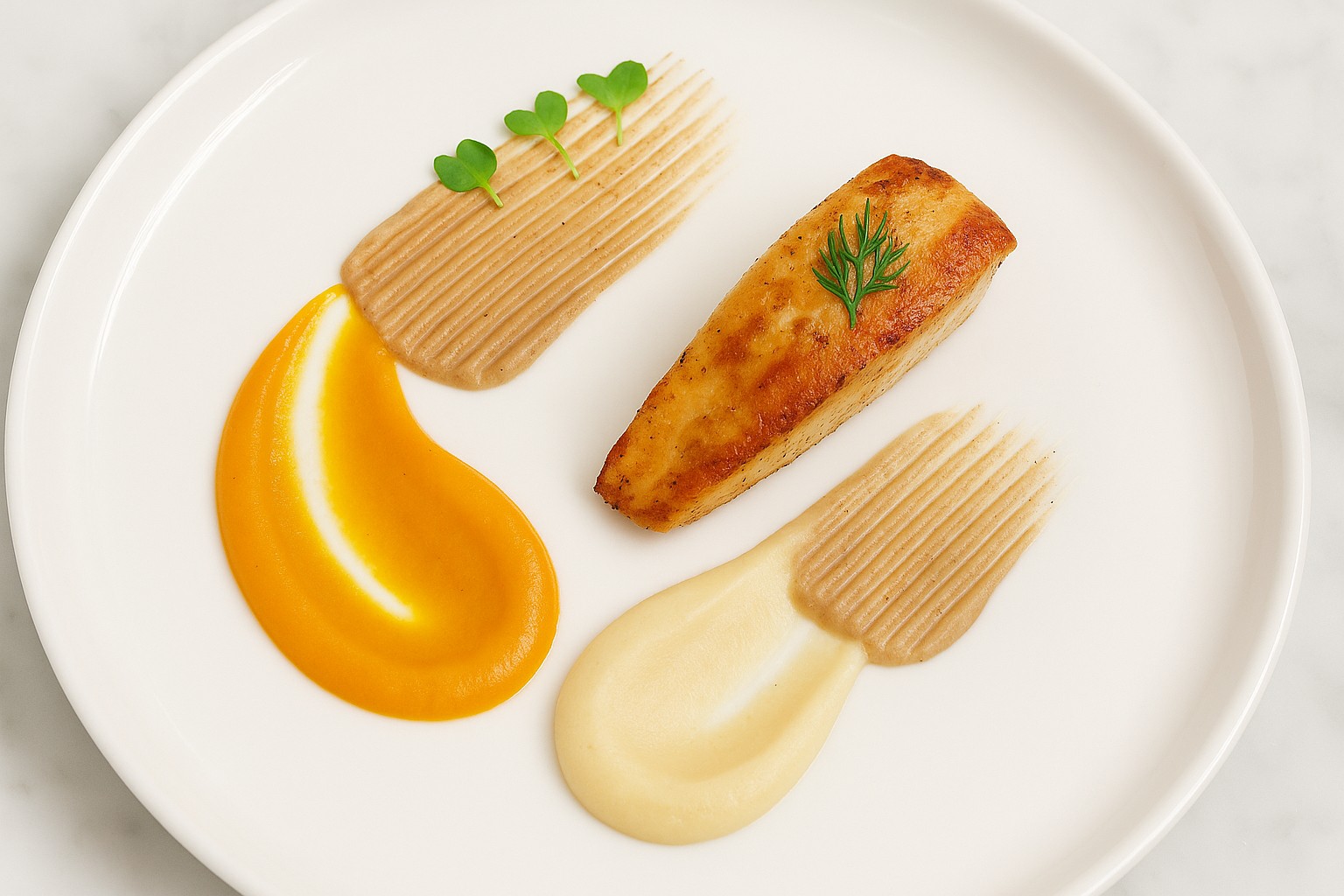
Look at the experience of the complete bite. Choose a simple contrast that belongs with the dish, then keep it noticeable through the final plating.
Three Steps for Your Dinner
Identify what is already there
Consider whether the main and accompaniments are soft, crisp, smooth or firm. Notice when they all feel much the same.
Why: A quick review helps you decide whether another texture would improve the plate.
Choose one useful contrast
Try a crisp vegetable with a smooth component or a tender element alongside something crunchy. Keep the flavor combination in mind.
Why: The contrast should make the meal more enjoyable rather than merely more elaborate.
Protect it at the finish
Place a crisp component where the sauce will not immediately cover it, unless that is part of the intended dish.
Why: The guest can experience the texture you planned.
Put It Into Practice
Try the whole bite
Taste the main, side and finish together. Decide whether the contrast is noticeable and pleasant.
Use the menu you have
A different cut or preparation of an existing vegetable may provide enough variation without adding another ingredient.
Keep additions purposeful
A topping should fit the flavor and the guest's needs. Do not add something solely because it is crunchy.
Leave room for simplicity
One good contrast may be enough. A comfortable dinner plate does not need every possible texture at once.
The Plating Mindset
Choose a contrast that improves eating, then arrange the plate so the guest can enjoy it.
Explore More Host Thoughtfully Tips
- Browse all 52 Host Thoughtfully tips
- Previous tip: Control the Final Finish
- Next tip: Start with Care. Offer More Sauce.
- Explore edible vessels
- Explore plate sauces
- Explore food plating techniques
Email us anytime at: info@styleyourplate.com.